Duration: 2025
Section 1
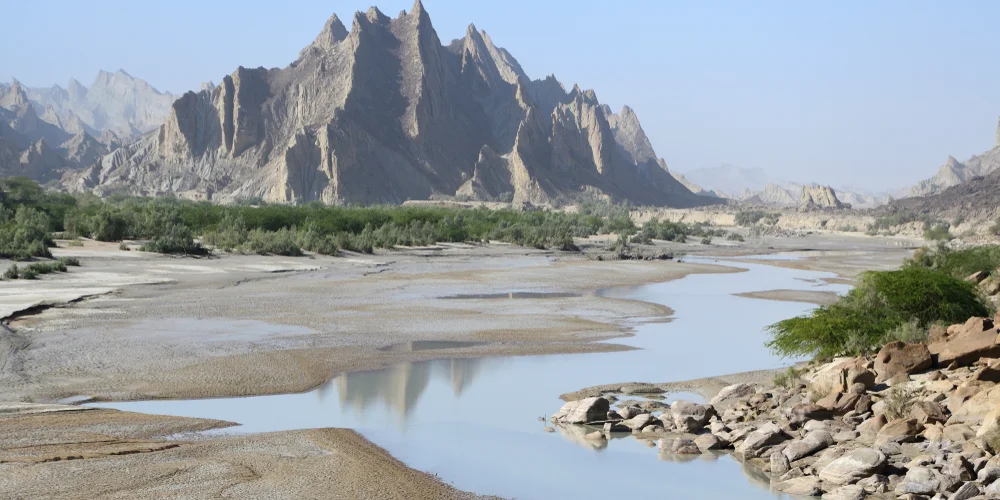
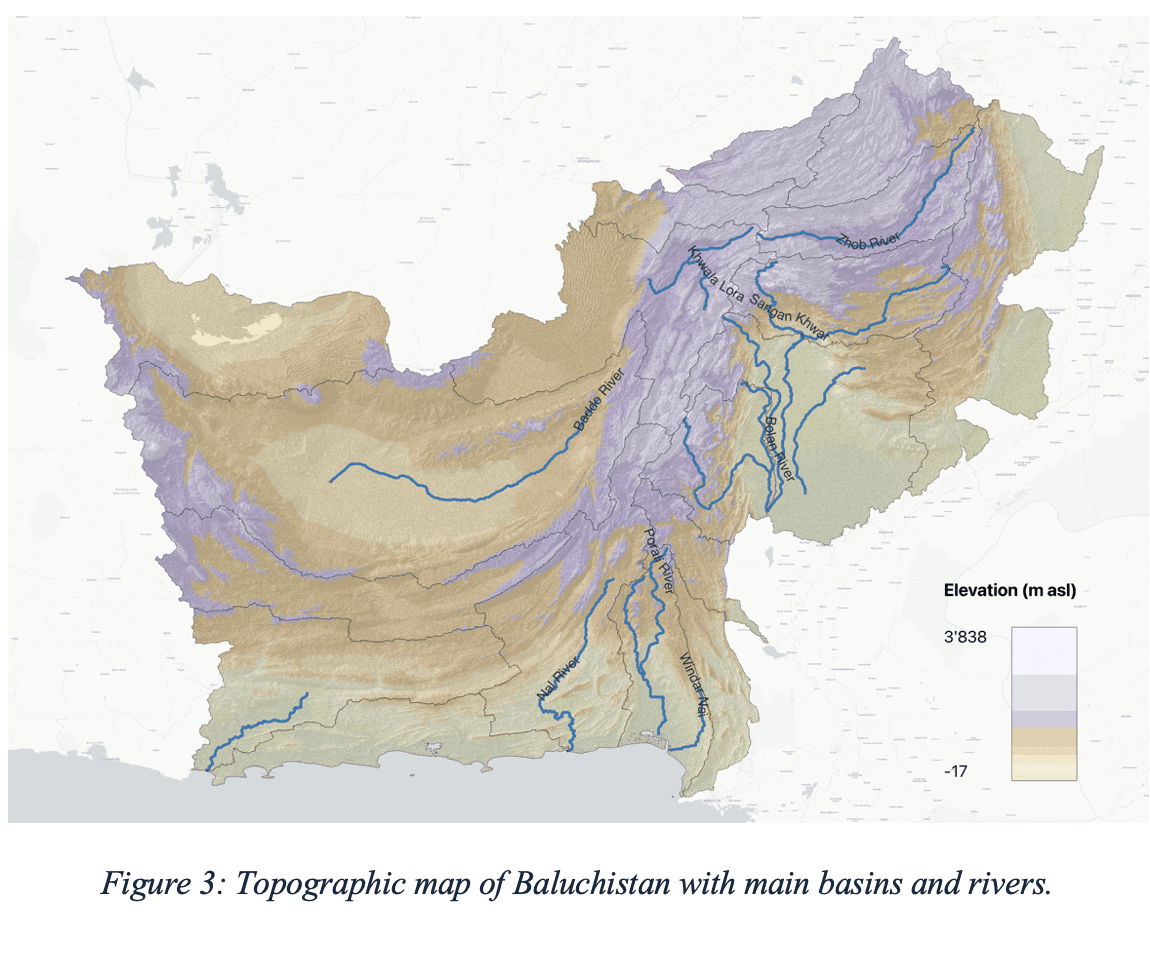
This project provided an assessment of the hydrological regime of Balochistan, integrating an analysis of climate, topography, and water availability with the development of a new, high-resolution modeling pipeline. The primary objective is to support improved water resource management under both current and future climate conditions.

Caption 1
Caption 2

Back to top
Section 2
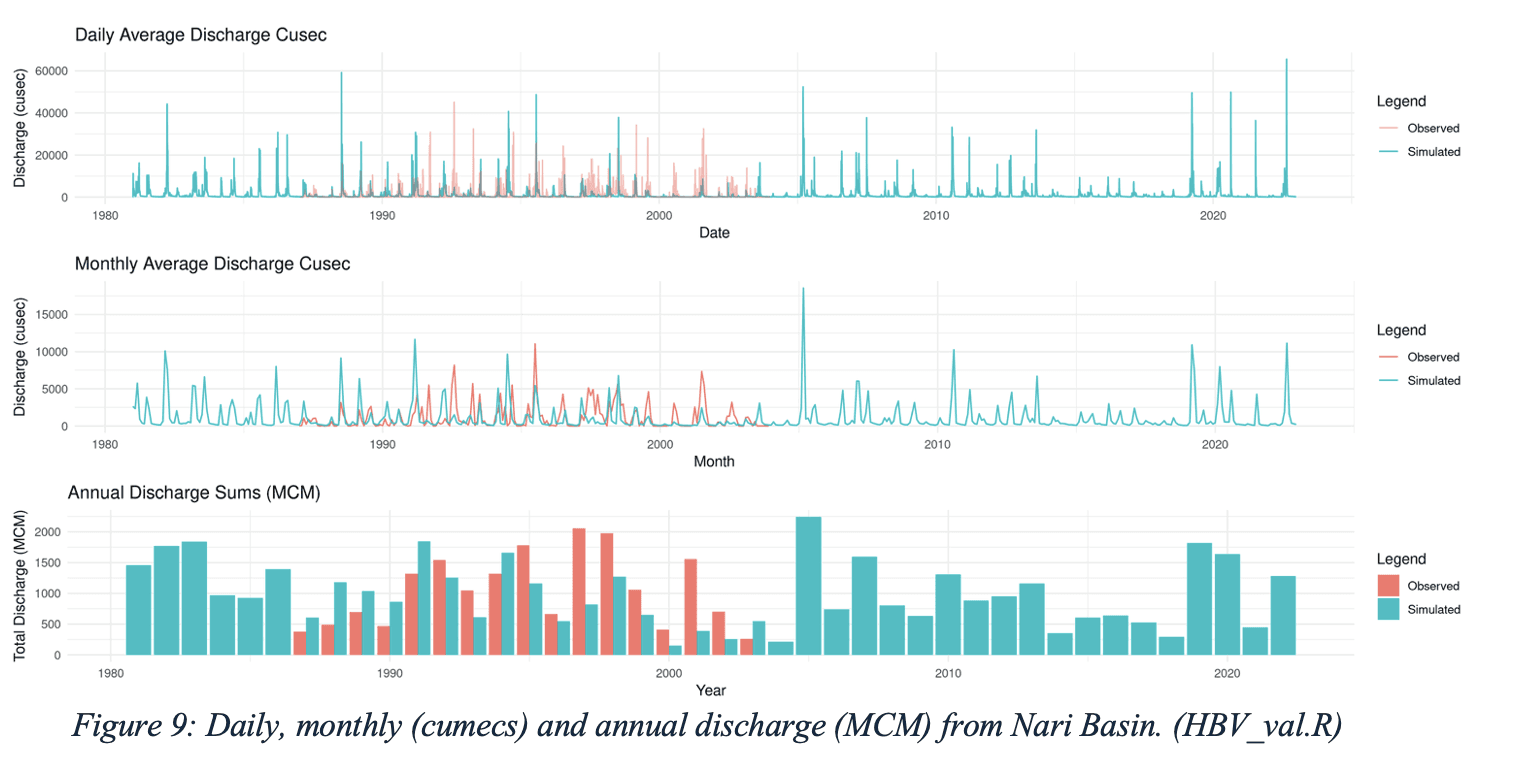
At the core of the work is a modeling framework composed of six key components. First, ERA5 reanalysis data is dynamically downscaled to a 90-meter grid using TopoPyScale, a terrain-aware Python-based tool that captures the effects of elevation, slope, aspect, and sky view on local climate. This high-resolution meteorological data forms the foundation for the remaining workflow components. The second component involves running the Flexible Snow Model (FSM), an energy balance snow model, which uses the downscaled forcing to simulate the surface energy balance. Using this, potential evapotranspiration (PET) is computed using both Penman and Priestley–Taylor methods to characterize evaporative demand and moisture stress.
S2 Cap1
S2 Cap2
Back to top
Results
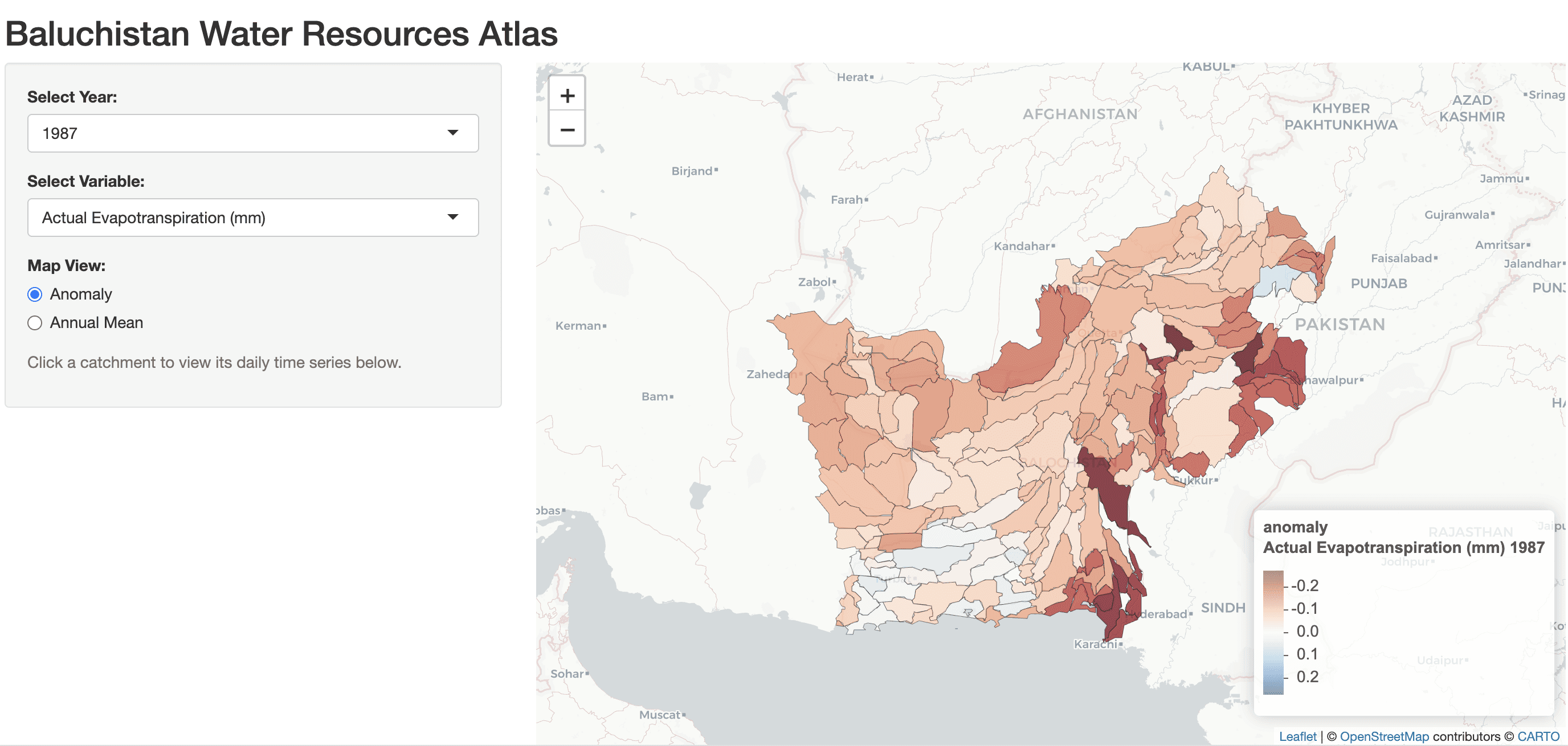
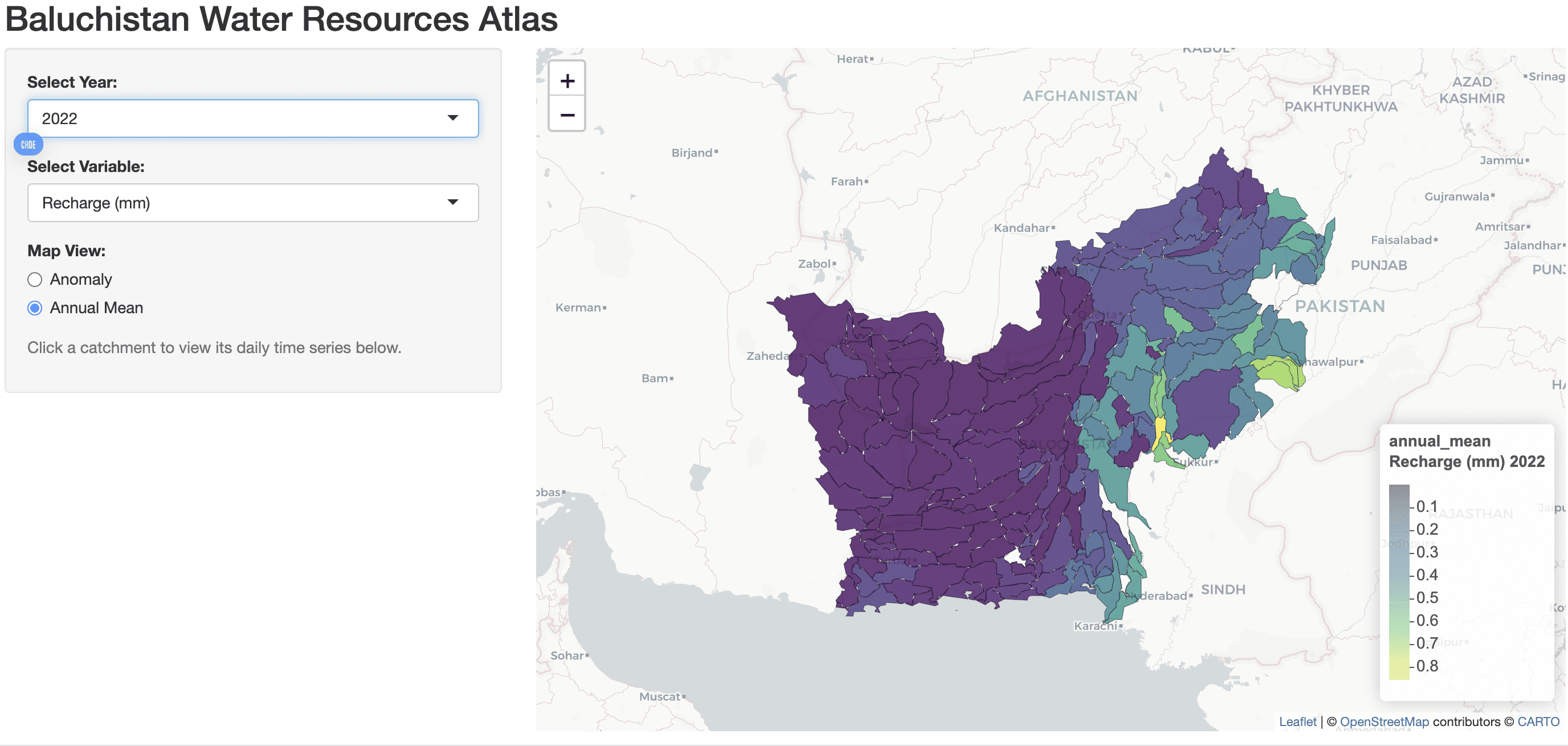
All results are made available via two web-based interactive dashboard providing a spatial overview of key climate forcing variables across the catchments of Baluchistan.
Main Features:
Interactive Catchment Map: The dashboard displays a map of catchment polygons, color-coded by the selected climate forcing variable. The map is fully interactive, allowing users to explore spatial patterns across the region.
Variable Selection: A dropdown menu in the sidebar enables users to select one of several meteorological or energy balance variables (e.g., air temperature, radiation, precipitation, wind speed, evapotranspiration, etc.). The map updates automatically to reflect the selected variable’s values across the catchments.
On-Demand Legend and Popups: Each polygon includes a popup showing the exact value of the selected variable for that catchment. A color legend is dynamically generated and displayed on the map, providing context for the visualization.
Back to top